How MMORPGs Revolutionize Simulation Games: A Deep Dive into Epic Adventures
Over the years, MMORPGs (Massively Multiplayer Online Role-Playing Games) have transformed the landscape of video games, particularly in the realm of simulation games. What was once a solitary journey has evolved into communal epic adventures, connecting players all around the globe. Let’s explore how MMORPGs have been pivotal in reshaping simulation games and why players tilt toward games where you control a kingdom.
The Rise of MMORPGs
MMORPGs originated in the late 1990s with games like Meridian 59 and EverQuest. They set the standard for massive online experiences, combining the captivating aspects of role-playing with the potential of the internet. A world filled with players brought a rich tapestry of social interactions and unprecedented gameplay mechanisms.
Interaction: The Pillar of MMORPGs
What makes MMORPGs standout is the sheer volume of player interactions. It's not just about leveling up or completing quests; players forge alliances, trade, and engage in conflicts, creating a dynamic environment unavailable in traditional simulation games.
The Influence on Simulation Game Mechanics
MMORPGs introduced diverse mechanics to simulation games, such as:
- Persistent Worlds: Unlike traditional simulation games where sessions can reset, MMORPGs maintain a world that evolves and changes based on players’ actions.
- Player-Driven Economies: The economy in MMORPGs often mimics real-life systems. Players can buy, sell, or trade items, forming a living market that enhances realism.
- Dynamic Events: Instead of static experiences, MMORPGs often introduce real-time events that shape the world based on player actions.
Community Building and Social Dynamics
One undeniable aspect of MMORPGs is their community. Players from different backgrounds converge into fantastical worlds, sharing experiences and tackling challenges together. This vibrant social fabric contributes to better engagement in simulation games, like those where you control a kingdom, blending strategic gameplay with collaboration.
The Role of Customization
Customization options in MMORPGs allow players to create and define their avatars, increasing the sense of identity and ownership. This aspect has transcended into simulation games, where players can tailor their kingdoms, characters, and even questlines, further immersing them into the narrative.
Technological Advancements and Graphics
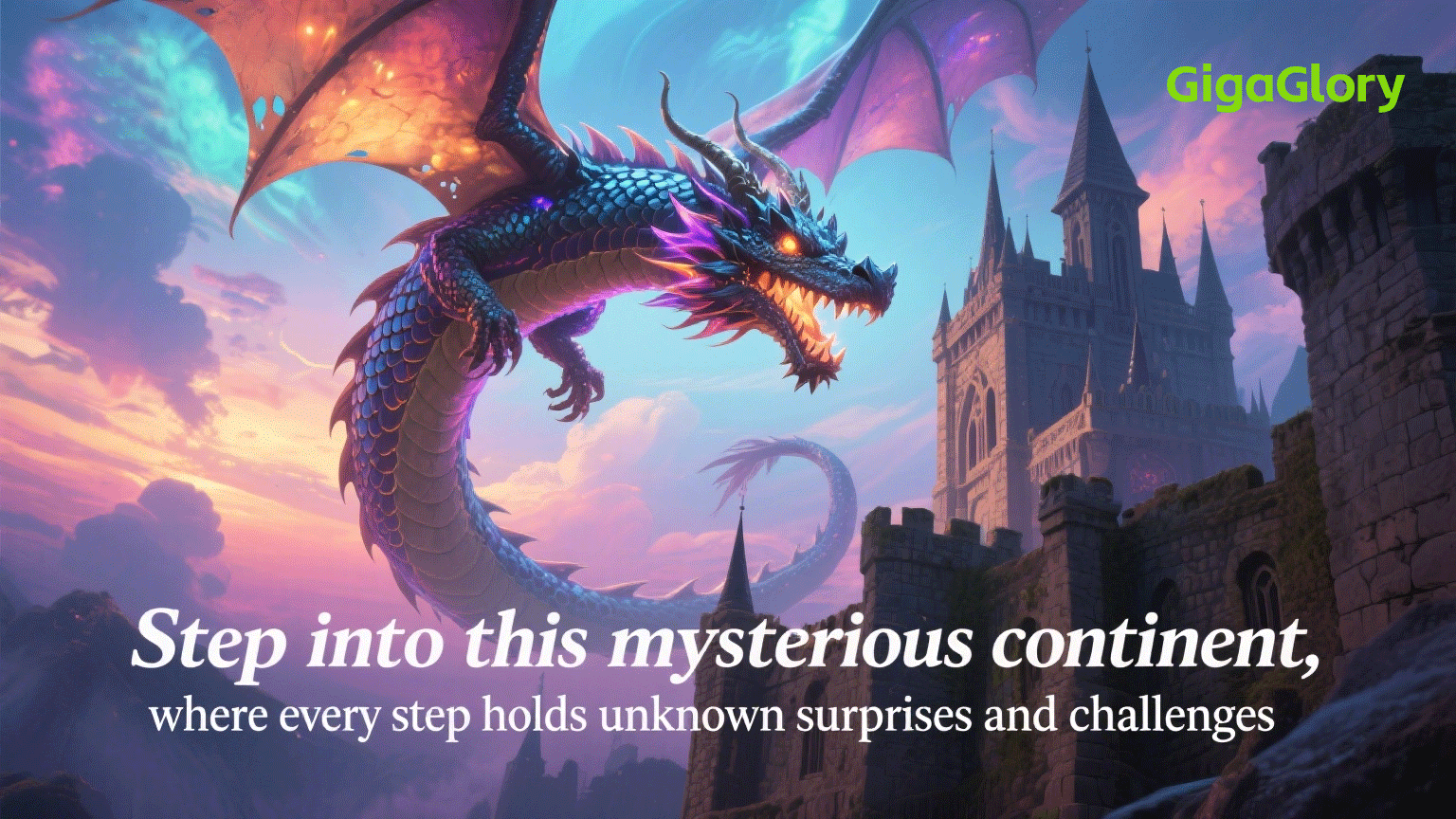
Advancements in technology, such as better graphics and processing power, have enabled more immersive environments. As MMORPGs showcased stunning visuals, simulation games followed suit, elevating the user experience and drawing players into breathtaking virtual worlds.
Economic Systems and Game Balance
Game developers learned from MMORPGs the importance of balancing difficulty and rewards in economic systems. Players engage with various stickman RPG games that implement similar mechanics, curating challenges that maintain interest and extend gameplay longevity.
Case Study: Runescape and Kingdom Simulation
Take, for instance, how Runescape incorporates kingdom management with RPG elements. Players can manage resources, create alliances, and even battle enemies, merging MMORPG excitement with simulation strategy. A table showcasing features:
| Feature | MMORPG | Simulation Game |
|---|---|---|
| Player Interaction | High | Medium |
| World Persistence | Yes | Variable |
| Customization | Extensive | Moderate |
| Economy | Player-Driven | Scripted |
Casual Gamers vs. Hardcore Players
The gaming landscape features both casual and hardcore players. MMORPGs often cater to a broad spectrum of players. Some enjoy engaging in lengthy quests, while others partake in short, easy-going activities. How do these types influence simulation gaming?
- Casual Gamers: Favor simple mechanics and accessible gameplay.
- Hardcore Players: Seek intricate strategies and complex management systems, enhancing their engagement with simulation features.
Unique Storytelling Methods
Storytelling in MMORPGs often includes vast lore and intricate narratives interwoven with gameplay. Simulation games have adopted these methodologies, drawing players into richer narratives. As a result, storytelling becomes a vital aspect, fostering deeper connections with players.
Future Trends in MMORPGs and Simulation Games
As technology continues to develop, MMORPGs are expected to incorporate even more advanced features, such as AI-driven NPCs and virtual reality elements. These enhancements could redefine simulation games even further, allowing players to control their kingdoms in unprecedented ways.
Conclusion
To sum up, MMORPGs have changed the face of simulation games in multiple capacities. Through their advanced interaction models, economic systems, customization options, and storytelling methods, they’ve reshaped how players engage with virtual worlds. Whether you're a casual gamer or a hardcore player, the fusion of RPG elements with traditional simulation gameplay has opened new horizons for experiencing epic adventures. It's a revolution that continues to unfold, inviting players to dive deeper into immersive realms.